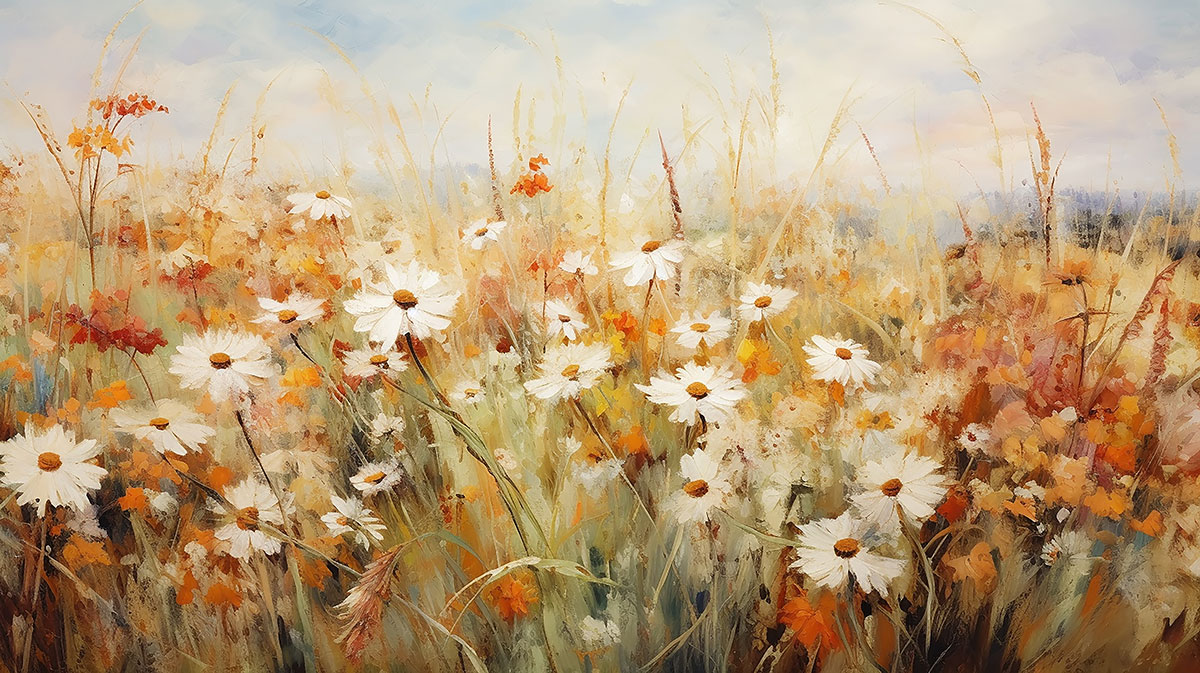
Art has always been a way for me to connect with the world and with my own feelings. I often find that the natural world around me is full of inspiration. The textures of bark, the movement of water, the colors of a sunset, and even the quiet stillness of a field all speak to me. I have learned that nature is not only a subject to paint or sculpt but also a way to explore emotion. The way I see the world around me often finds its way into my art, shaping the way I express feelings and ideas.
How Nature Inspires My Work
Living in Argyle, Texas, I am surrounded by a mix of wide-open spaces, rolling hills, and small-town charm. I find myself constantly observing the details of nature—the way light filters through leaves, the patterns on rocks, or the way shadows stretch across a field. These details influence not just the subject of my work but the way I create it. For example, the rough texture of tree bark might inspire a tactile quality in a sculpture, or the fluid movement of a river could influence the brushstrokes in a painting.
Nature has a way of reflecting human emotion. A stormy sky can mirror feelings of tension or uncertainty, while a calm lake might convey peace or introspection. I often use these natural elements as metaphors in my work. When I create art, I try to capture not just what I see but what I feel in response to it. This connection between the outside world and inner emotion is what makes my pieces feel alive and relatable.
Expressing Emotion Through Form and Color
One of the most powerful tools I have as an artist is the ability to manipulate form and color. Nature gives me endless examples to draw from. The curve of a hill, the jagged edges of rocks, or the delicate veins of a leaf can all inform the shapes I use in sculpture or pottery. Similarly, colors in nature—whether subtle earth tones or vibrant wildflowers—guide the palettes I choose for paintings. By observing these natural elements, I am able to express complex emotions without relying on literal depictions.
Texture is another way I bring emotion into my work. Rough, uneven surfaces can communicate struggle or tension, while smooth, flowing textures can suggest calm or contentment. By combining form, color, and texture inspired by nature, I aim to create a sensory experience for the viewer. I want people to feel something when they encounter my work, whether it is a sense of peace, curiosity, or even nostalgia for a place or moment.
Blending Observation with Personal Experience
While nature provides endless inspiration, my own experiences and emotions shape how I interpret it. A quiet walk through a forest may feel different depending on my mood or the challenges I am facing at the time. These personal experiences influence the art I create. I often start a piece with a vision drawn from observation but allow my emotions to guide how it develops. This process creates a deeper connection between the natural world and the human experience.
I also believe that art can act as a bridge between people and nature. In today’s fast-paced world, many of us feel disconnected from the environment. By translating natural elements into art, I hope to remind viewers of the beauty and complexity around them. At the same time, I want to show how our emotions can interact with and respond to the world outside ourselves.
Bringing Nature and Emotion into Different Mediums
I work in pottery, sculpture, and painting, and each medium offers unique ways to explore the connection between nature and emotion. Pottery allows me to experiment with form and texture, shaping clay in ways that reflect natural patterns like waves or tree rings. Sculpture adds a three-dimensional element, letting me play with how forms occupy space and interact with light. Painting provides the freedom to blend colors and layers, capturing both the visual beauty and emotional tone of a scene.
Using multiple mediums also helps me explore different aspects of emotion. Sometimes a feeling is best expressed through the solidity and weight of a sculpture, while other times it flows more naturally across a canvas. By observing nature closely, I can translate the emotional qualities I see into the medium that fits best. Each piece becomes a reflection of both the external world and my internal response to it.
The Reward of Sharing Nature-Inspired Art
One of the most rewarding parts of my work is seeing how others respond to it. People often tell me that they feel a sense of calm, nostalgia, or wonder when viewing my pieces. These reactions show me that the intersection of nature and emotion is a universal language. Art has the power to connect people to the natural world and to each other in ways that words sometimes cannot.
I also enjoy involving the community in projects where nature and emotion intersect. Public art installations, workshops, and exhibitions allow people to experience art firsthand and reflect on their own feelings and connections to the environment. Sharing my work and observing others interact with it reinforces why I create art in the first place. It is a way to celebrate both nature and the human experience.
Nature and emotion are inseparable in my artistic practice. The world around us is full of textures, shapes, colors, and movements that mirror our inner lives. By observing and interpreting these elements, I can create art that resonates on both a visual and emotional level. Whether through pottery, sculpture, or painting, I strive to capture the feeling of being in nature and to share that feeling with others.
For me, art is not just about making something beautiful. It is about exploring the way the world and our emotions interact, and about creating pieces that invite reflection and connection. When I work, I am constantly reminded that nature and emotion are always intertwined, and that the best art comes from observing, feeling, and translating that connection into something tangible for others to experience.